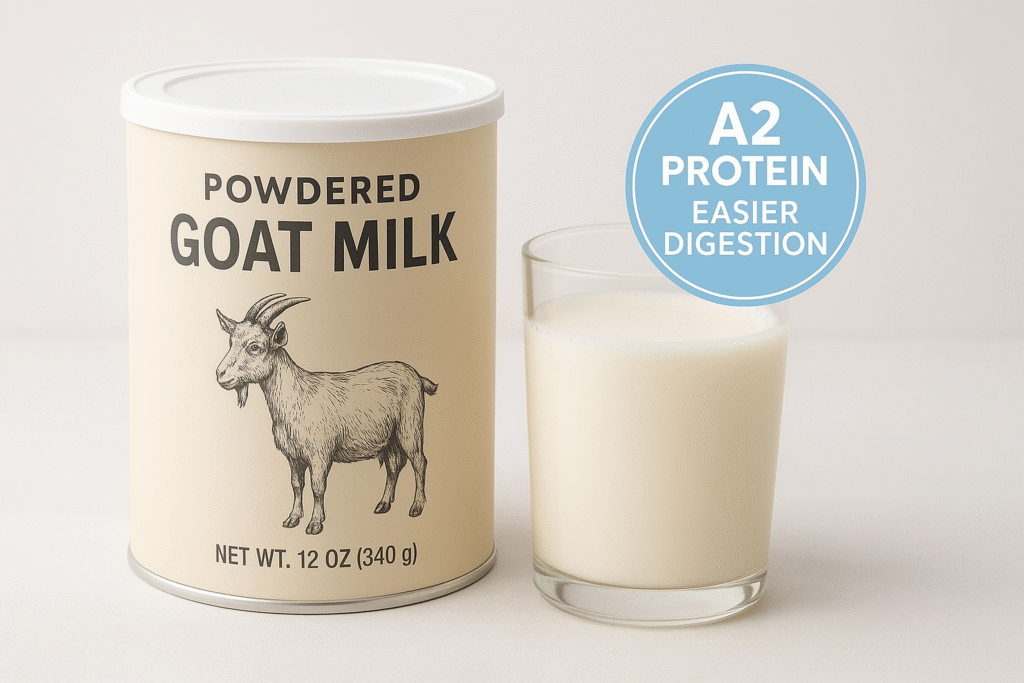
Powdered goat milk has become a household favorite for many U.S. moms who want nutritious, easy-to-store, and long-lasting milk options. It offers the creamy goodness of fresh goat milk without the worry of quick spoilage. In this guide, you will learn its nutritional value, safe uses, storage methods, and even a few fun DIY ideas to try at home.
Nutritional Benefits: Why Choose Powdered Goat Milk?
Easier Digestion and Protein Structure
Goat milk powder is known for being easier to digest compared to cow milk. This is because it contains A2 casein, a gentler form of protein that often causes fewer tummy troubles. Its naturally smaller fat globules also make it easier for your body to break down, which is why many moms switch to it for sensitive stomachs or mild dairy intolerance.
Rich in Essential Vitamins and Minerals
Powdered goat milk is a rich source of calcium, potassium, and vitamin A, which are essential for strong bones and overall growth. Compared to cow milk powder, it often contains slightly more natural prebiotics that support gut health. This makes it a wholesome choice for both adults and older toddlers.
Practical Uses of Powdered Goat Milk in the Kitchen
Reconstituting for Drinking (The Proper Water Ratio)
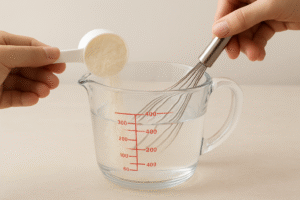
To reconstitute powdered goat milk for drinking, follow a one-to-four ratio (one part powder to four parts water). Add the powder to warm water gradually, stirring gently until fully dissolved. Avoid vigorous mixing to reduce foaming. Once mixed, refrigerate it immediately and consume within a few days for best taste and freshness.
Baking and Cooking Applications (The Best Substitute)
Powdered goat milk works beautifully in recipes such as bread, pancakes, smoothies, and sauces. When added to batters or dough, it gives a rich texture and slightly sweet flavor. According to the National Dairy Council, milk powder can be an excellent nutrient-boosting ingredient in home cooking, offering calcium and protein without the need for refrigeration.
Powdered Goat Milk for Infants and Toddlers (Safety First)
Plain goat milk powder should never replace infant formula. While goat milk is nutritious, it lacks essential nutrients that growing babies need. Only fortified goat milk-based infant formulas are considered safe alternatives. Always consult your pediatrician or the American Academy of Pediatrics (AAP) before introducing any new milk to your baby’s diet.
(Reference: American Academy of Pediatrics – Infant Nutrition Guidelines).
Storage and Longevity: Keeping Your Powder Fresh
Storing Unopened and Opened Powder
Store powdered goat milk in a cool, dark, and dry place. Once opened, keep it tightly sealed to avoid moisture exposure. Most brands recommend using the powder within 4 to 6 weeks after opening to maintain freshness.
How Long Does Reconstituted Goat Milk Last?
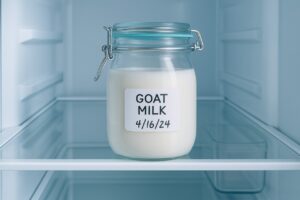
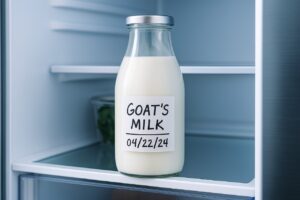
Once mixed with water, goat milk should be treated like fresh milk. It can last about 3 to 5 days in the fridge if properly stored in a sealed container. For more details, you can learn how long liquid goat milk lasts in the fridge.
DIY Recipes Using Powdered Goat Milk
Simple Goat Milk Yogurt
Whisk reconstituted goat milk with a small spoon of live yogurt starter and let it sit in a warm place overnight. The result is a creamy, mildly tangy yogurt that’s gentle on the stomach.
Homemade Goat Milk Lotion or Soap
Goat milk powder can also be used in skincare! Mix it with coconut oil and oatmeal for a soothing lotion or soap base. It helps moisturize and nourish dry skin, especially for new moms managing postpartum dryness.
Troubleshooting: Clumping, Taste, and Foaming
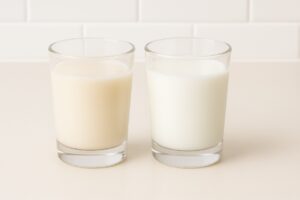
If your powder forms clumps, always add it after the water warms slightly. Stir slowly using a whisk. If you notice a slightly earthy taste, it’s completely natural — it’s part of understanding the natural flavor of goat milk and choosing your preferred brand can make a difference.
(Reference: understanding the natural flavor of goat milk).
FAQ: Powdered Goat Milk
- Is powdered goat milk healthier than cow milk?
It’s easier to digest and contains more medium-chain fatty acids, which can be beneficial for metabolism. - Can I give powdered goat milk to my baby?
Not directly. Only use goat milk-based infant formulas that meet AAP or FDA nutrition standards. - How long does powdered goat milk last after opening?
Typically 4 to 6 weeks if kept sealed and stored in a dry, cool spot. - Does goat milk powder taste different from cow milk powder?
Yes, it has a mild, slightly sweet flavor that many moms describe as more natural and creamy. - Can I use it for coffee or tea?
Absolutely! It blends smoothly and adds a rich, creamy taste to hot drinks. - Is it suitable for lactose-intolerant people?
It has slightly less lactose than cow milk, so some may tolerate it better — but it’s not fully lactose-free.
Conclusion
Powdered goat milk is a smart, nutritious, and convenient choice for busy moms who want fresh milk benefits without daily refrigeration. It’s ideal for cooking, travel, and emergency food storage. Just remember: for infants, always choose fortified formulas and consult your pediatrician before introducing new milk.
With its versatility and long shelf life, powdered goat milk truly makes life easier for modern moms across the U.S.