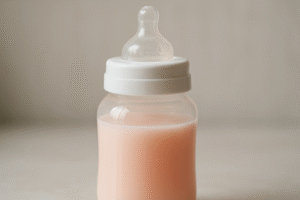
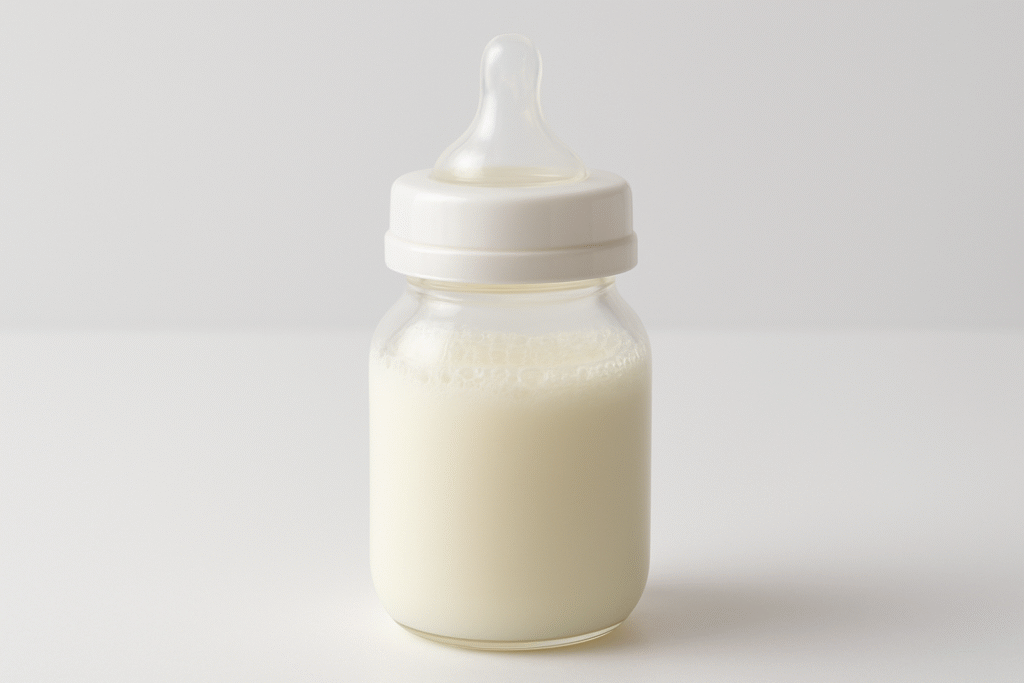
If you’ve ever noticed your breast milk looking frothy — full of tiny bubbles or a foamy top — you’re not alone. Many moms see this during or after pumping, especially when their milk flow is fast or their baby latches eagerly. While it may look unusual, frothy breast milk is typically harmless and often linked to air introduction or fast letdown reflexes rather than spoilage.
This guide breaks down the real reasons behind frothy milk, when to be concerned, and how to prevent excess bubbles for smooth, baby-ready milk.
Why Breast Milk Looks Frothy (Main Causes)
The appearance of froth or tiny bubbles in your milk can happen for a few simple reasons — all related to air or flow speed:
- Overactive Letdown Reflex – When milk releases too forcefully, air mixes into it, creating froth.
- Fast Pump Speed – Using a high-speed electric pump can whip air into milk just like a blender.
- Baby Swallowing Air – During fast flow or poor latch, babies may gulp air, making the milk appear frothy after feeding.
- Vigorous Mixing or Pouring – Transferring milk too quickly between containers can trap bubbles.
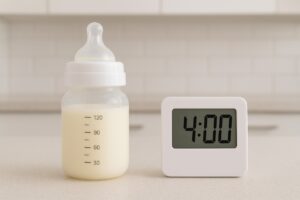
In most cases, frothy milk will naturally settle after a few minutes of rest or refrigeration.
How to Reduce Froth While Pumping or Feeding
To minimize bubbles and keep milk creamy and smooth:
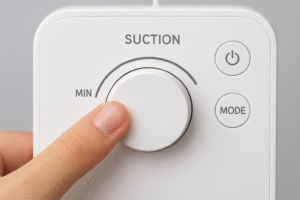
- Adjust Pump Settings: Lower suction or speed to reduce turbulence.
- Check Flange Fit: A poor seal causes leaks and air entry.
- Tilt Bottle Slightly while expressing to avoid air contact.
- Avoid Shaking: Always swirl milk gently before storing or feeding.
- Pause Between Letdowns if your flow is too fast, allowing air to escape naturally.
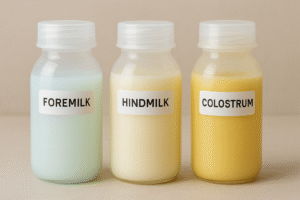
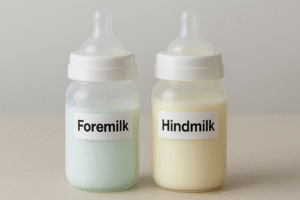
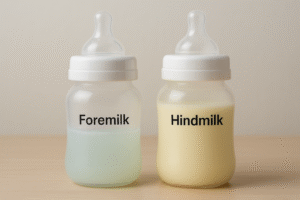
👉 Learn the difference between foremilk and hindmilk in our detailed guide How to Produce Fatty Breast Milk.
When Frothy Milk Might Indicate an Issue
Though rare, sometimes frothiness can signal something more than just air. Watch out for these signs:
- Persistent bubbles that don’t settle even after cooling
- Sour or “off” odor
- Clumping or thickened layers after storage
- Baby rejecting milk due to taste or smell
In these cases, high lipase activity or improper storage temperature could be responsible. High lipase milk is still safe but might develop a soapy or metallic odor over time.
If your stored milk smells unusual, read Why Does My Breast Milk Smell Sour? for safety checks and solutions.
Storage Tips for Frothy Milk
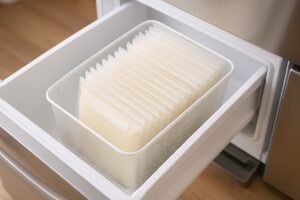
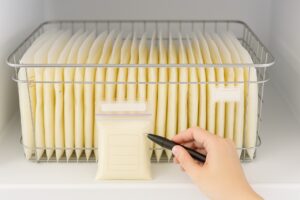
- Always refrigerate promptly after pumping — leaving milk at room temperature increases bacterial activity and may worsen bubbles.
- Allow milk to rest before freezing so trapped air can rise and escape.
- Once cooled, swirl gently (don’t shake) before feeding.
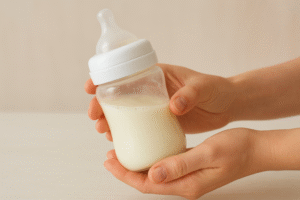
💡 According to U.S. CDC Breast Milk Storage Guidelines, consistent cold temperature prevents oxidation and reduces froth formation in stored milk.
💛 Froth vs. Foam — The Subtle Difference for U.S. Moms
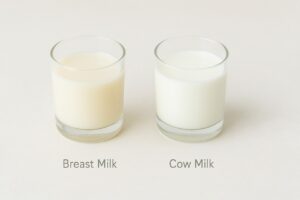
Frothy milk is typically lighter — filled with small air pockets caused by fast milk flow — while foamy milk is denser, often from pump agitation.
Neither indicates bad milk, but both can improve with gentler handling and temperature control.
👉 Note: Excessive foam may sometimes mean your pumping speed is too high, while mild froth is usually harmless.
When to Seek Expert Help
If you consistently notice excessive froth and your baby shows gas, fussiness, or rejects pumped milk, consult a lactation consultant. They can check for:
- Overactive letdown
- Pump suction imbalance
- Feeding position issues
Most moms find small changes in pumping speed and feeding posture solve froth problems quickly.
Because for every new mom, understanding your milk’s texture means less worry — and more confidence in every feed. 🍼💛
Conclusion: Don’t Fear the Froth
Frothy milk may look strange, but it’s often just a sign of your body’s strong milk flow and pumping efficiency. Handle it gently, cool it quickly, and swirl instead of shake.
If the froth persists or milk smells off, double-check your storage temperature and read How to Tell If Frozen Breast Milk Is Bad for peace of mind.
With simple care and awareness, your milk will stay safe, nutritious, and ready whenever your baby needs it. 💛